
Hot water is one of those comforts you don’t think about – until it’s gone. Whether it’s a cold shower in the morning, inconsistent water temperature, or strange noises coming from the tank, water heater issues can disrupt your entire routine. Knowing when to choose water heater repair and when water heater replacement makes more sense can save you time, money, and frustration.
This guide helps homeowners understand the warning signs, long-term costs, and smart decisions behind repairing or replacing a water heater.
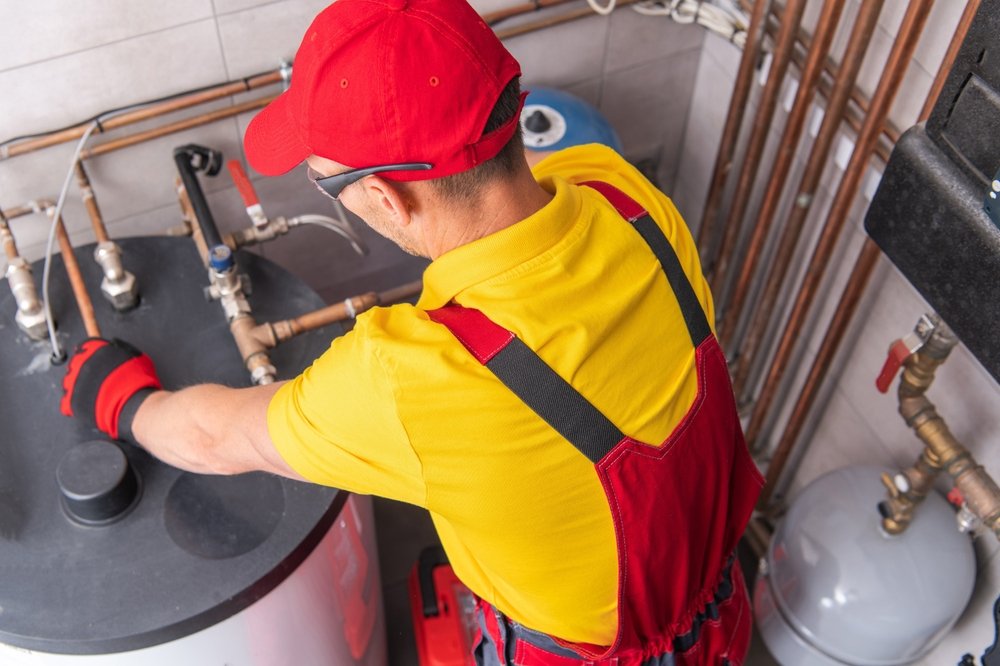
Why Water Heaters Fail Over Time
Water heaters work hard every day, heating and storing water under constant pressure. Over time, wear and tear are inevitable.
Common causes of water heater problems include:
- Sediment buildup inside the tank
- Aging heating elements or burners
- Corrosion caused by mineral-heavy water
- Faulty thermostats or pressure valves
- Normal equipment aging
Even well-maintained water heaters eventually reach a point where repairs become less effective than replacement.
When Water Heater Repair Makes Sense
Not every issue requires a full replacement. In many cases, water heater repair is a cost-effective solution – especially when the system is relatively new.
Repair may be the right choice if:
- Your water heater is under 8 years old
- Hot water runs out faster than usual
- Water temperature fluctuates
- The unit is making minor popping or humming sounds
- There’s no visible rust or tank damage
Quick repairs can restore performance and extend the life of your water heater without the higher cost of replacement.
Also Read: HVAC Utah Country Trusted Heating and Cooling Services by PureClima
Warning Signs You Shouldn’t Ignore
Some problems indicate serious internal damage and shouldn’t be delayed.
Call a professional immediately if you notice:
- Rust-colored or cloudy hot water
- Water pooling around the base of the heater
- Loud banging or knocking sounds
- A strong metallic smell
- Complete loss of hot water
These symptoms often signal tank corrosion or internal failure, making water heater replacement the safer long-term option.
The True Cost of Delaying Replacement
Many homeowners keep repairing an aging water heater, assuming they’re saving money. In reality, repeated repairs on an old unit can quickly add up – while efficiency continues to drop.
Old water heaters:
- Use more energy to heat the same amount of water
- Take longer to recover after use
- Are more likely to leak or fail suddenly
- Can cause water damage if the tank ruptures
Replacing an outdated unit before failure helps avoid emergency situations and unexpected property damage.
Benefits of Modern Water Heater Replacement
Today’s water heaters are more efficient, reliable, and adaptable to household needs.
Benefits of upgrading include:
- Faster hot water recovery
- Lower energy and utility bills
- More consistent water temperature
- Quieter operation
- Improved safety features
Homeowners can also choose from tankless, high-efficiency gas, or electric water heaters, each offering unique advantages based on usage and home size.
Tank vs. Tankless: Which Is Right for You?
When considering water heater replacement, one major decision is whether to stay with a traditional tank system or switch to tankless.
Tank Water Heaters
- Lower upfront cost
- Familiar technology
- Ideal for standard household usage
Tankless Water Heaters
- Heat water on demand
- Take up less space
- Offer long-term energy savings
- Ideal for households with high hot water demand
A professional evaluation can help determine which option best fits your lifestyle and budget.
Energy Efficiency and Long-Term Savings
Modern water heaters are designed to meet stricter energy standards. Replacing an older unit can reduce energy consumption by up to 20–30%, depending on usage and system type.
Efficiency improvements include:
- Better insulation
- Advanced heating elements
- Smart temperature controls
- Reduced standby heat loss
Over time, these improvements can significantly offset the initial cost of replacement.
Why Professional Service Matters?
Water heater repair and replacement involve gas lines, electrical connections, water pressure, and safety valves. Improper handling can result in leaks, system damage, or safety hazards.
Professional service ensures:
- Safe installation and code compliance
- Correct system sizing
- Proper pressure and temperature settings
- Reliable long-term performance
A licensed technician also helps protect manufacturer warranties and ensures the system operates as intended.
How to Extend the Life of Your Water Heater?
Whether you repair or replace your system, proper care can extend its lifespan.
Helpful maintenance habits include:
- Annual system inspections
- Flushing the tank to remove sediment
- Checking pressure relief valves
- Monitoring temperature settings
- Addressing small issues early
Routine care keeps your water heater running efficiently and helps avoid unexpected breakdowns.
Repair or Replace with Confidence
Deciding between water heater repair and replacement doesn’t have to be stressful. Understanding your system’s age, performance, and long-term costs helps you make a confident, informed decision.
Whether you need a quick repair or a full upgrade, professional service ensures reliable hot water, improved efficiency, and peace of mind for years to come.
Experiencing water heater issues or planning an upgrade?
Schedule professional water heater repair or replacement today and restore dependable hot water to your home.

Pingback: HVAC Utah County Trusted Heating and Cooling Services
Pingback: Air Conditioner Repairing & Installation Provo | Pureclima